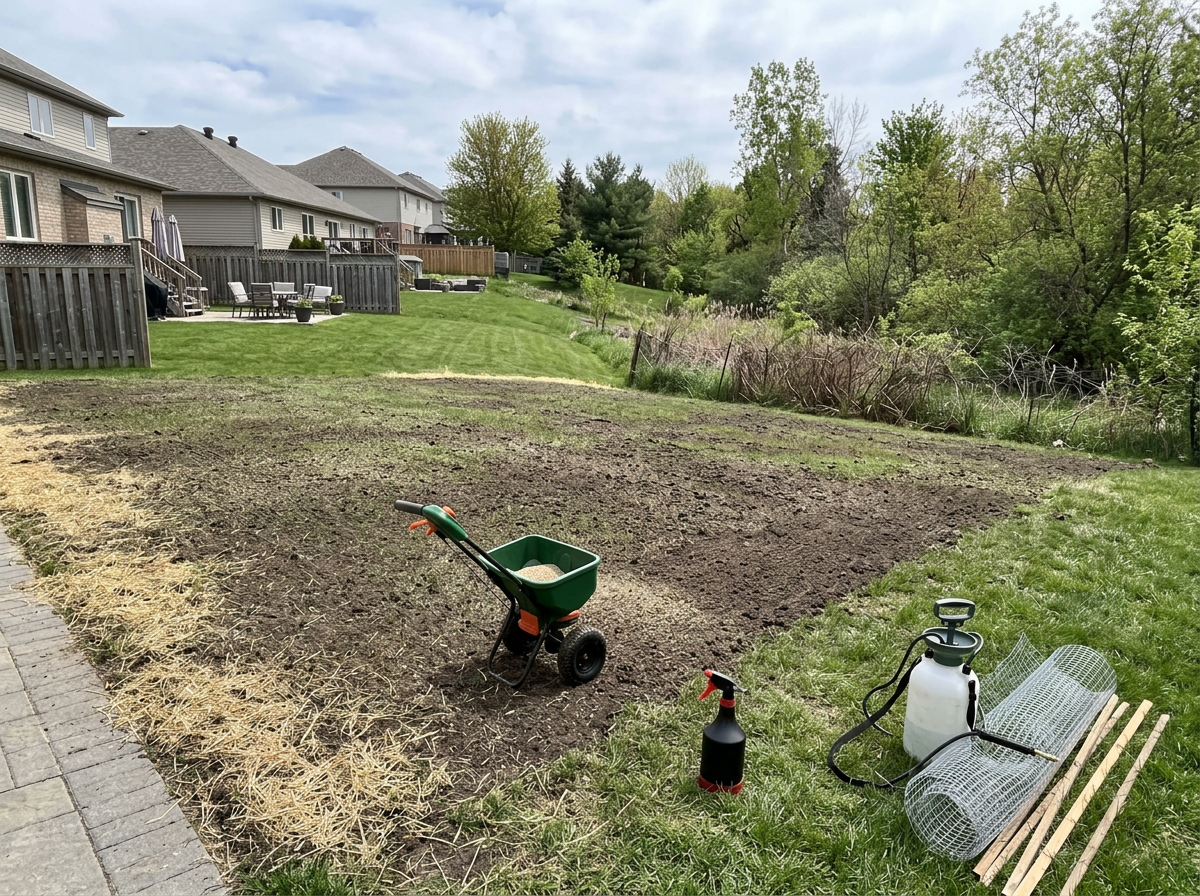
The best bird repellent spray for most outdoor situations is one built around methyl anthranilate (MA), an EPA-registered active ingredient derived from grape seed extract. best bird repellents It works through taste and smell, teaching birds to avoid treated areas without harming them. Products like Bird-X Bird Stop® Liquid use this ingredient and are registered for use on grass, turf, trees, shrubs, and hard surfaces. If you're standing in a store or searching online right now, that's the label claim and ingredient to look for first.
Best Bird Repellent Spray: How to Choose and Use It

Marcus Weatherby
23 Mar 2026
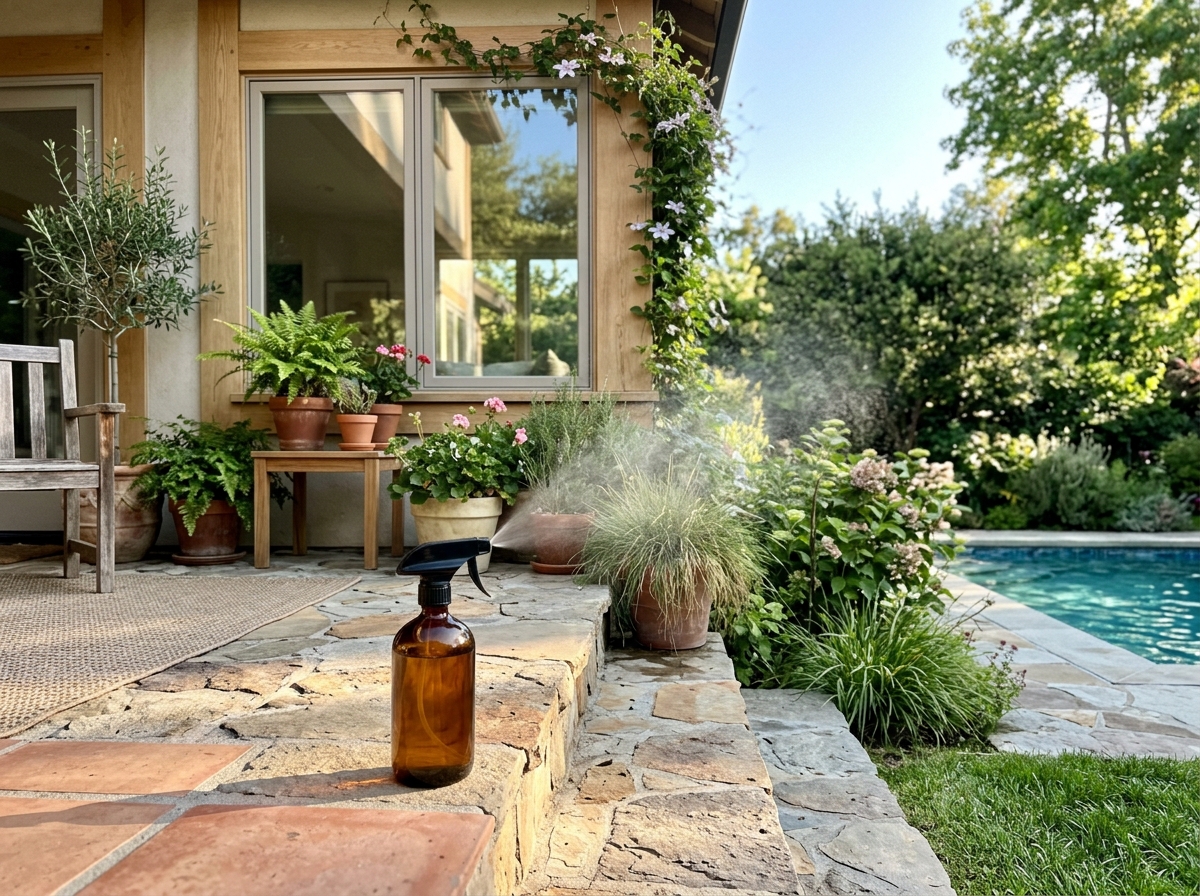
How to choose the best bird repellent for your exact problem
Before you buy anything, get specific about your situation. The repellent that works on Canada geese grazing a lawn is not necessarily the right pick for pigeons roosting on a roof ledge. Ask yourself three things: which species are causing the problem, what behavior are you trying to stop (feeding, roosting, nesting, flying through), and what surface or area needs treatment.
Spray repellents are strongest when birds are coming to eat or forage. Spray repellents are strongest when birds are coming to eat or forage. Methyl anthranilate products like EcoBird 14.5 work as contact repellents: birds have to eat or touch the treated vegetation or surface for the avoidance learning to kick in. That makes them excellent for lawns, gardens, grass seed, and turf where geese, crows, or sparrows are grazing. They're less effective against birds that roost on ledges or gutters because those birds aren't ingesting anything. work as contact repellents: birds have to eat or touch the treated vegetation or surface for the avoidance learning to kick in. That makes them excellent for lawns, gardens, grass seed, and turf where geese, crows, or sparrows are grazing. They're less effective against birds that roost on ledges or gutters because those birds aren't ingesting anything.
For roosting and perching problems, a spray with a tactile or chemical irritant (sometimes polybutene-based gel sprays or capsaicin formulas) creates surface discomfort rather than taste aversion. These need reapplication more often and are best on hard surfaces like ledges, beams, and window sills. If you're dealing with a mixed situation, you'll almost always need more than one type of deterrent, which is covered toward the end of this guide.
Species matter too. Migratory birds are protected under the Migratory Bird Treaty Act in the US, which means you cannot trap, kill, or disturb active nests without a federal permit. Repellent sprays are generally legal because they deter rather than harm, but always confirm the product label lists the species you're targeting. If a product doesn't name your target species, its registered effectiveness for that bird is unproven.
Best bird repellent spray: what to look for on the label
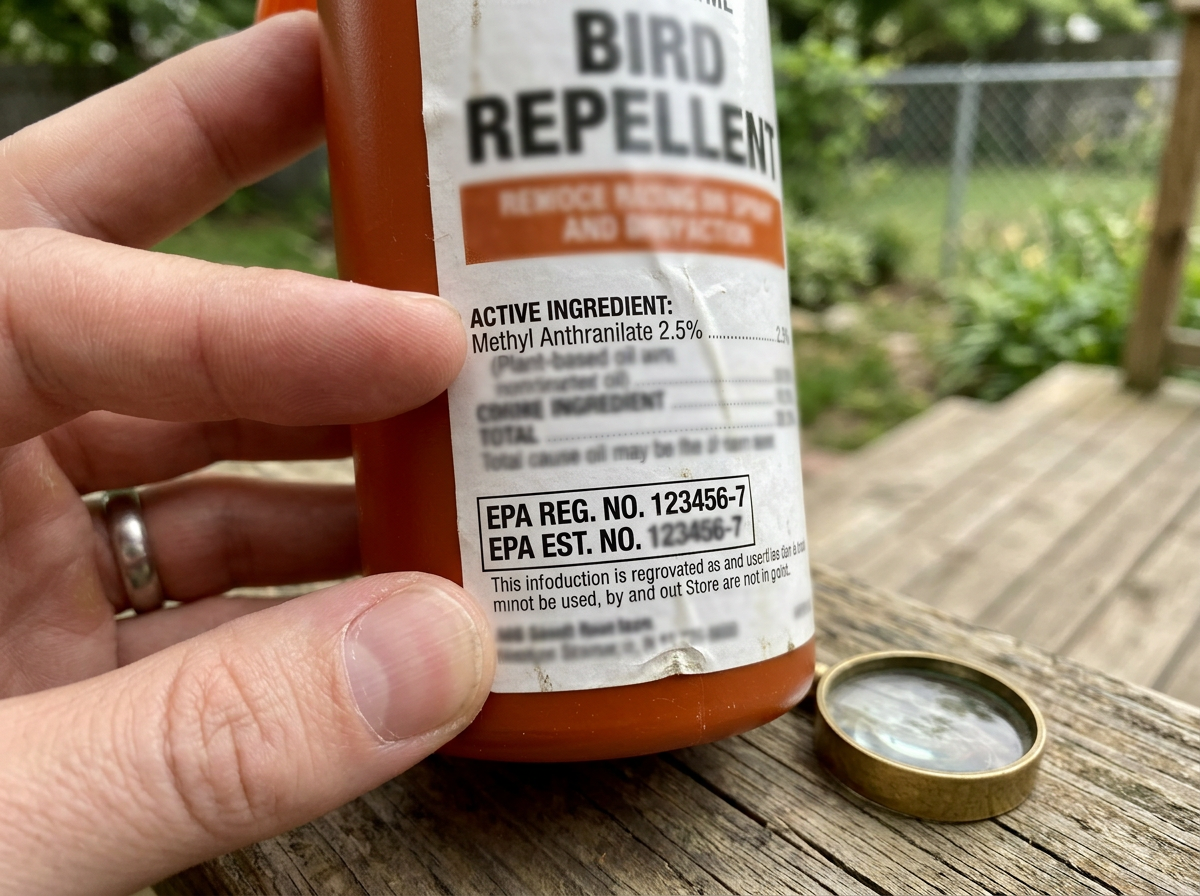
A bird repellent spray label tells you almost everything you need to know before buying. Here's what to check before putting it in your cart.
- Active ingredient and concentration: Methyl anthranilate (MA) is the most widely used and EPA-registered option. EcoBird 14.5 contains 14.5% MA. Higher concentrations generally extend effectiveness but may require dilution before use.
- EPA registration number: This confirms the product has been reviewed for safety and efficacy. It should appear on the front or back panel as 'EPA Reg. No.'
- Labeled target species: The label must list the birds you're dealing with. Don't assume a general 'bird repellent' label covers every species.
- Approved application surfaces: Check whether the product is approved for grass, turf, ornamental plants, hard surfaces, or food crops. Using it on an unlisted surface can void its registered use.
- Restricted-entry interval (REI): Per EPA guidelines, this is the time after application when you (and others) must stay out of the treated area. It's listed under 'Directions for Use' on the label.
- Weather resistance and reapplication interval: Look for terms like 'rain-fast within X hours' and recommended reapplication frequency. Outdoor sprays that aren't rain-resistant need reapplication after every rainfall.
- Residue and odor notes: MA-based products have a grape-like odor that dissipates but can be strong at first. Gel or sticky repellents leave physical residue that can trap small birds or insects if over-applied.
One thing that's easy to miss: the signal word. 'Caution' means low toxicity to mammals; 'Warning' or 'Danger' indicates higher toxicity. For areas where children or pets are present, stick to products labeled 'Caution' with MA as the active ingredient.
Where outdoor spray works best
Spray repellents don't work equally in every spot. Here's a practical breakdown by location so you can set realistic expectations.
Patios and decks
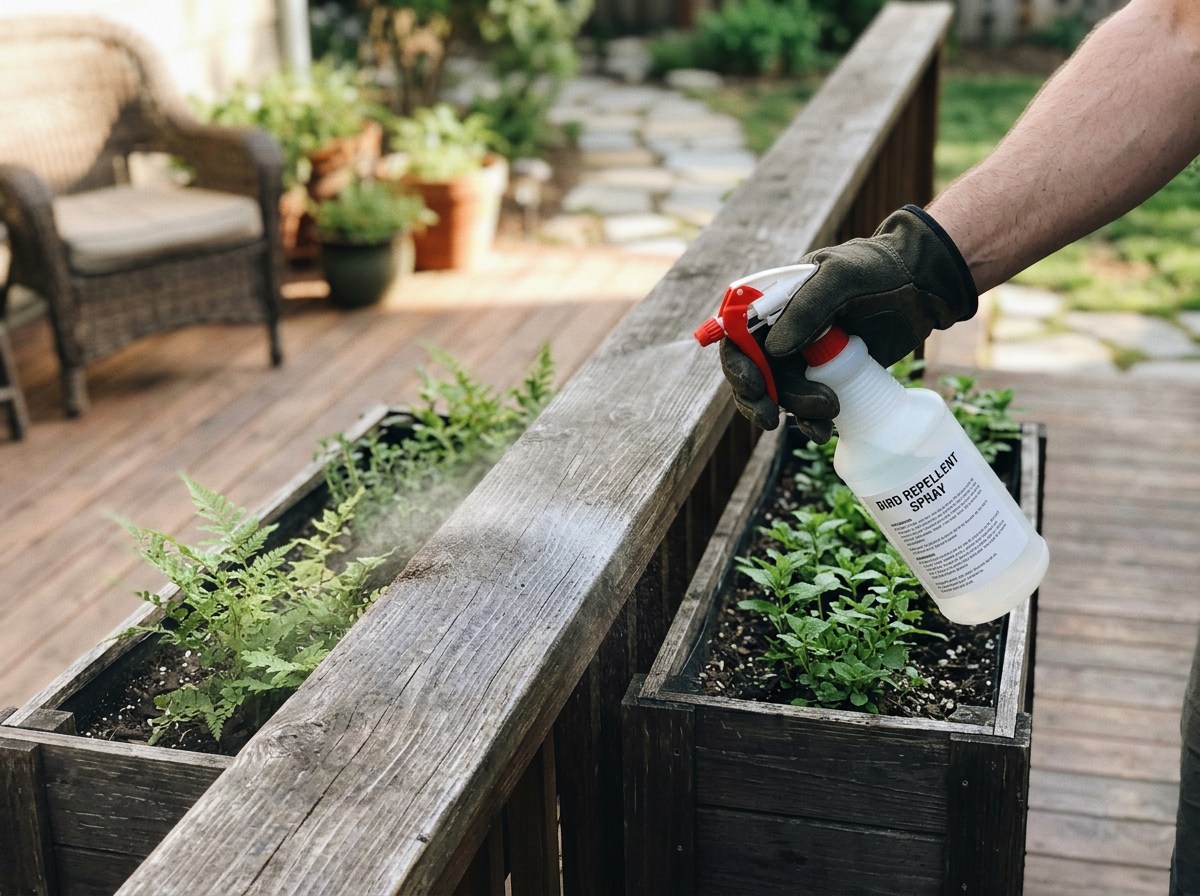
Patios attract birds looking for food scraps, water, or nesting spots in overhead structures. A spray applied to the deck surface, railings, and surrounding planters can deter foraging birds. Gel-based repellents work better on flat railing surfaces where birds land repeatedly. MA-based liquids work well around potted plants and garden edges. Avoid applying sticky gels near bird feeders you want to keep active, since you'd be working against yourself.
Windows
Window collisions are often caused by reflections rather than birds trying to roost. If birds are perching on window sills or ledges, a gel or capsaicin-based spray on the ledge surface makes landing uncomfortable. For collision prevention specifically, visual deterrents (films, decals, or hawk silhouettes) are more effective than sprays, since spray on glass doesn't address the reflection problem.
Gardens and grass
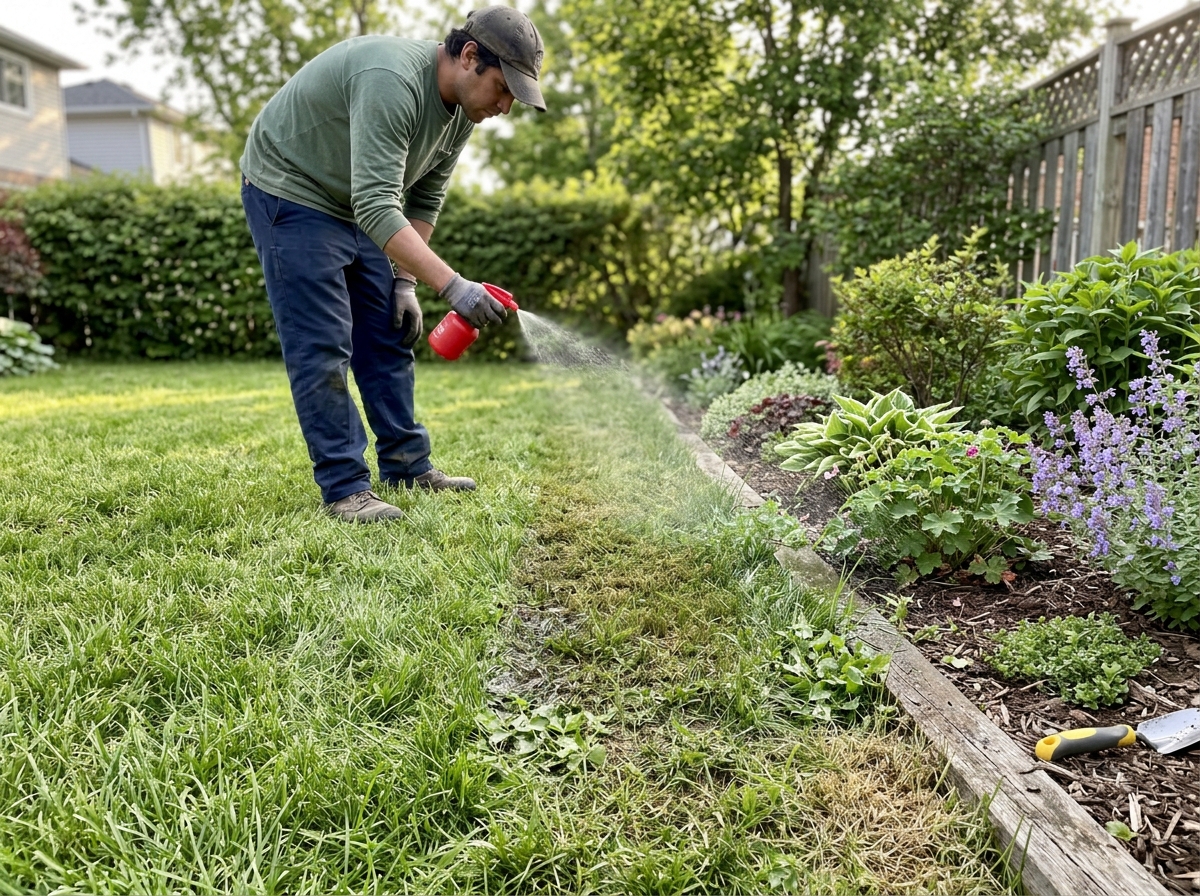
This is where MA-based sprays genuinely shine. Spraying treated areas of lawn, garden beds, or grass seed prevents geese, crows, and sparrows from grazing. EcoBird 14.5 is specifically registered as a contact repellent for goose and bird control on turf. Reapply after rain and after mowing, since both remove the treated surface layer.
Roofs and gutters
Roofs are tough terrain for sprays alone. Birds roosting on ridgelines or nesting in gutters aren't interacting with a surface you can easily coat. A spray applied to the roof edge or gutter lip might discourage casual perching, but for ongoing roost problems, spikes or netting will do the heavy lifting. Sprays here work best as a supplement rather than the primary solution.
Solar panels
Pigeons love the warm, sheltered space under solar arrays. Spraying the panel frames or the roof surface around panels can reduce initial interest, but birds that have already established a nesting site under panels are unlikely to leave because of spray alone. Mesh barriers designed specifically for solar installations are the only reliable long-term fix here. A spray application while installing the mesh can help prevent birds from trying to find gaps.
Pools and water features
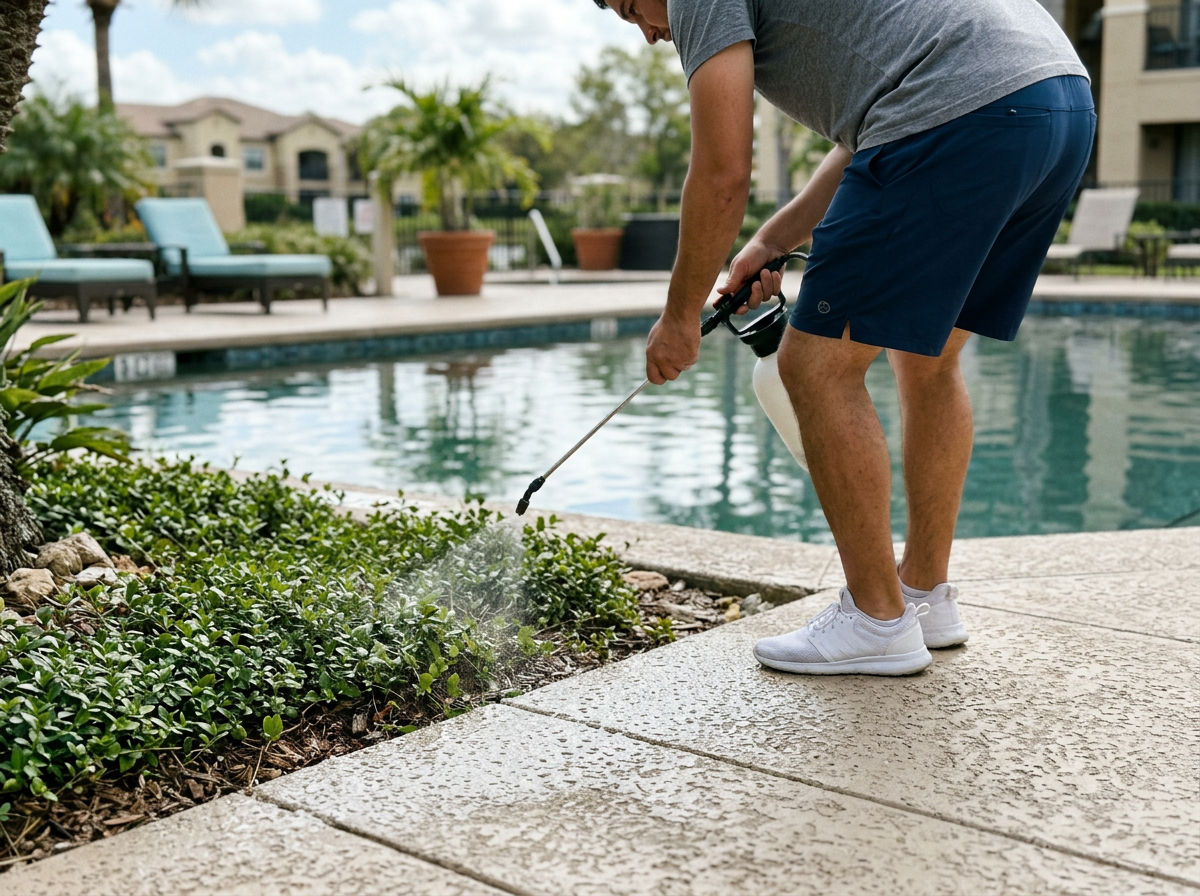
Geese and ducks are the main culprits around pools and ponds. MA-based sprays applied to the grass and vegetation surrounding the water body work well because the birds walk through and forage in that vegetation before reaching the water. Treat the buffer zone consistently. Avoid spraying directly into pool water or decorative ponds, since even low-toxicity repellents can affect water quality and aquatic life.
How to apply bird repellent spray correctly for fast results
Application method matters as much as product choice. Here's a step-by-step approach that gets results faster and makes each treatment last longer.
- Read the label completely before mixing or applying anything. Note the REI, dilution rate, approved surfaces, and reapplication schedule.
- Clean the target surface first. Bird droppings, dirt, and debris reduce contact between the repellent and the surface. Use a hose or pressure washer on hard surfaces, and rake or mow vegetation before treating turf.
- Apply on a dry day with low wind. Most MA-based sprays need 1 to 4 hours to dry and bond to surfaces before rain can wash them off. Applying in high wind wastes product and reduces coverage uniformity.
- Use a pump sprayer or backpack sprayer for large areas. A hose-end sprayer works for lawns. For targeted hard surfaces like ledges and railings, a hand-held trigger sprayer gives better control.
- Cover the full foraging or landing zone, not just the obvious hot spots. Birds will simply shift to untreated areas if you leave gaps.
- Mark the treatment date and schedule your next application. MA sprays on turf typically need reapplication every 2 to 4 weeks and after significant rainfall. Hard surface sprays may last longer, up to 6 to 8 weeks, depending on weather.
- Observe bird behavior in the first 3 to 5 days. You should see reduced activity as birds associate the treated area with the repellent stimulus. If activity continues unchanged after a week, check your coverage and consider combining with a second deterrent method.
One common mistake is applying too lightly to save product. Under-application means birds don't receive enough stimulus to trigger avoidance learning, so they habituate to the spray rather than avoiding it. Follow the labeled application rate closely.
Safety, legality, and protecting pets and non-target wildlife
MA-based repellents have a favorable safety profile for mammals, which is why they're popular for residential and commercial use. The active ingredient is derived from grape flavoring and is classified as low toxicity to humans and most mammals. That said, 'low toxicity' doesn't mean 'no precautions.'
Keep pets and children out of the treated area until the spray has dried completely (typically 1 to 4 hours, per the product REI). Dogs sometimes try to lick or roll in treated areas, especially on grass. While MA isn't acutely toxic to dogs, ingesting concentrated product from a freshly treated lawn can cause stomach upset. Once dry and after the REI, the product is generally safe for normal lawn use.
For non-target wildlife like songbirds, squirrels, or beneficial insects, the main risk comes from over-application of gel or sticky repellents rather than MA sprays. Polybutene gels applied too thickly can trap small birds and bats, which is both harmful and potentially illegal. If using gel products, apply thin layers and use the physical trays or covers the manufacturer recommends to prevent small animals from contacting the gel directly.
On the legal side: sprays deter birds without physical harm, so they're generally legal for all common pest species under EPA registration. For protected migratory species like swallows or barn owls, confirm your product's label covers legal use for deterrence. You cannot destroy active nests of protected species without a permit, but repellent application before nesting begins is allowed and recommended.
When applying near vegetable gardens or fruit trees, check whether the product has a pre-harvest interval listed on the label. Some formulas are approved for food crops but require a waiting period between application and harvest.
When spray isn't enough: combining with spikes, netting, visual, and sonic deterrents
Spray repellents work best on birds that are foraging or landing briefly. For persistent roosters, nesters, or large flocks that have established a strong site fidelity, spray alone rarely solves the problem. Combining methods dramatically improves results.
| Deterrent type | Best use case | Works well with spray? | Limitation |
|---|---|---|---|
| Bird spikes | Ledges, roof edges, railings | Yes, spray on adjacent surfaces | Doesn't stop birds from landing nearby |
| Bird netting | Gardens, fruit trees, solar panels, eaves | Yes, spray perimeter areas | Requires installation; can trap birds if gaps exist |
| Visual deterrents (reflective tape, hawk decoys) | Open areas, gardens, boat docks | Yes, especially for first deterrence | Birds habituate within days to weeks if not moved |
| Sonic/ultrasonic devices | Large open spaces, patios, rooftops | Yes, layered approach | Ultrasonic has limited evidence for outdoor effectiveness; sonic can disturb neighbors |
| Taste/contact spray (MA-based) | Lawns, turf, gardens, soft surfaces | Primary tool | Requires regular reapplication; limited on hard roost surfaces |
The most reliable approach for a persistent bird problem is layered deterrence. For example: apply MA spray to the grass and vegetation around a patio, install bird spikes on the railing and nearby ledge, and hang reflective tape or a predator decoy at the patio entrance. Each method covers the weakness of the others.
For rooftops and solar panels specifically, start with spray to discourage initial exploration, then install mesh or spikes while the birds are least active in that area. Trying to install physical barriers after a flock has fully established a roost is much harder and takes longer to work.
If you're dealing with a specific species causing damage on a larger property (golf course, commercial building, or industrial site), it's worth looking at the broader category of bird repellent options, including foggers and larger-scale MA delivery systems, which extend coverage to areas a hand sprayer can't efficiently reach.
Troubleshooting: what to do when birds keep coming back
If you've applied a spray and birds are still showing up a week or two later, work through this checklist before giving up on the product.
- Check your coverage: Did you treat the entire foraging or landing zone, or just the most visible spots? Birds will use any untreated area you left.
- Check your reapplication timing: Has it rained since you applied? MA sprays on turf typically wash off within 24 to 48 hours of significant rainfall. Reapply after every rain event until you establish consistent avoidance.
- Check the dilution rate: Over-diluting to stretch the product results in under-effective application. Follow the label rate exactly.
- Consider whether food or water is the real draw: If birds are coming for a feeder, a birdbath, open garbage, or a pond, removing or relocating that attractant will do more than any spray.
- Assess site fidelity: Birds that have used a location for an entire season, especially for nesting, have strong motivation to return. A single product won't break that habit. Add a physical deterrent (spikes or netting) at the specific roost or nest site.
- Try a different repellent mechanism: If MA isn't producing results for your species or surface, a capsaicin-based product or a tactile gel may work better for your situation.
- Give it more time with layered methods: Avoidance learning takes a few visits of encountering the repellent stimulus. If birds aren't visiting the treated area frequently, the learning loop takes longer to complete.
Persistence is the key pattern here. Bird control rarely works with a single application. The property managers and homeowners who get consistent results treat it as an ongoing maintenance task, especially through spring and fall when bird pressure is highest. Apply spray proactively at the start of each season before problems fully develop, and you'll spend a lot less time chasing birds away once they've settled in.
FAQ
Is methyl anthranilate (MA) safe to use around my vegetable garden and fruit trees?
Some MA products allow use on or near edible plants, but the label often includes a pre-harvest interval (waiting period). Check the exact crops listed and the number of days before harvest, then time spraying so you can harvest within the allowed window.
What if birds keep landing after I apply the best bird repellent spray, even when I followed the label?
If birds still show up within 1 to 2 weeks, the most common causes are under-application, incomplete coverage of the landing or feeding zone, or spraying the wrong surface type for the behavior (taste aversion for foraging, tactile irritation or physical barriers for roosting). Re-check species, targeted behavior, and whether rain or mowing removed the active layer sooner than you expected.
Can I use a MA bird repellent spray on rooftops or gutters?
It can help reduce casual perching, but it usually is not enough for established roosts because birds are not ingesting treated vegetation. For active roosting, prioritize spikes or netting on the ledge or gutter lip, and use sprays only as a supplement while you install physical deterrents.
Will spraying the same area repeatedly cause birds to get used to it?
Habituation is more likely when birds receive too little stimulus or when treatment stops. Consistent, correct-rate coverage works best as an ongoing maintenance program, especially during spring and fall. If you need to maintain protection, follow label frequency rather than stretching intervals.
What’s the difference between using a liquid MA spray and a gel or capsaicin spray for bird problems?
MA liquids typically work best when birds forage or touch treated vegetation and then learn to avoid it. Gel or capsaicin products focus on making surfaces unpleasant to land on or perch on, so they tend to be better on ledges and beams and often require more frequent reapplication.
How long should I keep pets away after applying the best bird repellent spray?
Keep pets and children out until the spray fully dries. Many MA products specify a re-entry time on the label, often a few hours, and dogs may still investigate by licking or rolling right after application.
Why do window bird problems sometimes get worse after spraying?
If the issue is reflection-driven collisions, spray applied to glass or relying on taste deterrence will not fix the root cause. For collisions, visual deterrents like decals or films placed on the window are usually more effective, while sprays are more suited when birds are actually perching on exterior sills or ledges.
Should I spray directly over bird feeders or near areas where I still want birds to visit?
Avoid applying sticky gels near feeders you want to keep active, since it can deter the exact birds you are trying to attract or complicate feeding. If you must protect a nearby area, treat only the landing and foraging surfaces away from the feeder.
How do I handle rain and mowing so the deterrent keeps working?
MA products are most reliable when the treated layer remains intact. Plan for reapplication after rain and after mowing, since both remove or reduce the active residue. If bird pressure is high, treat proactively at the start of each season rather than waiting for damage.
What should I do if I accidentally sprayed in the wrong area, like pool water or a decorative pond?
Do not spray directly into pool water or decorative ponds. If it already happened, stop further application and follow the product label guidance for cleanup and any environmental precautions. For ongoing issues, switch to treating only the buffer vegetation around the water instead of the water surface itself.
Are there legal issues if the birds are protected species?
Repellents are generally intended to deter rather than harm, but you still must use them within label claims. Do not trap, kill, or disturb active nests without the required permits. If your species is protected, confirm the label covers legal deterrence for that bird and time treatment before nesting begins when possible.
Next Article
Best Bird Repellent Grass Seed: Pick and Apply Safely
Choose the best bird repellent grass seed and apply safely with timing, watering, coverage, and troubleshooting tips.